
Leveraging Fine-Tuned LLMs for Radiology Expertise


The adoption of fine-tuned Large Language Models (LLMs) in radiology is revolutionizing medical imaging and diagnostics. These sophisticated AI models enable radiologists to boost their expertise, streamline processes, and enhance patient outcomes.
Advantages of Fine-Tuned LLMs in Radiology
Improved Diagnostic Accuracy: Fine-tuned LLMs aid radiologists in analyzing complex imaging data, offering real-time insights and minimizing the risk of misdiagnosis.
Knowledge Integration: These models can compile extensive medical literature and case studies, providing radiologists with access to the most recent research and best diagnostic practices.
Natural Language Processing: LLMs can interpret clinical notes and patient histories, giving a more comprehensive view of each case.
Radiology Workflow Automation
Enhancing efficiency in radiology departments relies heavily on workflow automation. Fine-tuned LLMs significantly contribute to automating various tasks:
Report Generation: LLMs can automatically create radiology reports based on imaging findings, greatly reducing the time radiologists spend on documentation.
Case Prioritization: By evaluating patient data and imaging urgency, LLMs assist in prioritizing cases that need immediate attention, ensuring prompt care.
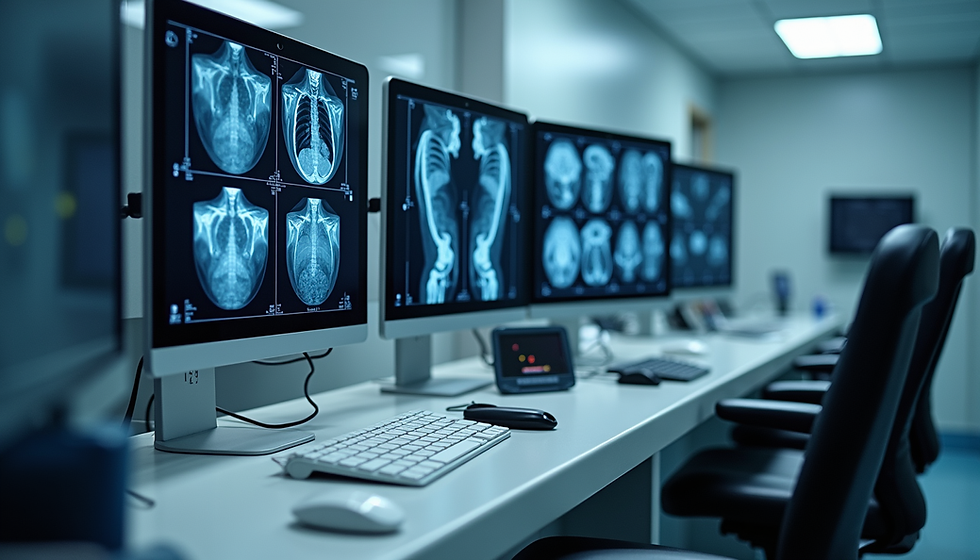
Integration with PACS: LLMs enable seamless integration with Picture Archiving and Communication Systems (PACS), optimizing the workflow from image acquisition to report completion.
Challenges and Considerations
Despite the significant potential of fine-tuned LLMs in radiology, certain challenges must be addressed:
Data Privacy: Maintaining patient confidentiality and adhering to regulations is vital when incorporating AI models.
Model Bias: Regular assessment and mitigation of biases in LLMs are crucial to ensure fair healthcare delivery.
Training and Adoption: Radiologists need training to effectively utilize these tools, and there must be a cultural shift in the perception of AI within the medical community.
Conclusion
Fine-tuned LLMs offer significant potential for advancing radiology expertise and automating workflows. By adopting these technologies, radiology departments can enhance diagnostic accuracy, boost efficiency, and ultimately deliver superior patient care. As the field progresses, ongoing collaboration between AI developers and radiology professionals will be crucial to fully realize the benefits of these innovations.


Comments